

Why inflammation matters more than we once believed
Inflammation is often misunderstood. Many people think of it only as redness, swelling, or pain after an injury. In reality, inflammation is a core biological process that plays a role in nearly every chronic health condition we see today.
When inflammation is short-term and well controlled, it is protective. It helps the body heal.
But when inflammation becomes chronic and low-grade, it quietly disrupts normal physiology and becomes a root trigger for disease.
Modern research increasingly shows that inflammation is not just a consequence of illness — it is often the initiating factor.
How chronic inflammation develops
Unlike acute inflammation, chronic inflammation doesn’t come from a single injury. It develops gradually due to:
- Persistent psychological stress
- Poor-quality, inflammatory diets
- Sedentary lifestyle
- Gut imbalance and dysbiosis
- Environmental toxins
- Poor sleep and circadian disruption
- Aging-related decline in detox and repair mechanisms
These factors keep the immune system in a constantly activated state, even when there is no real threat.
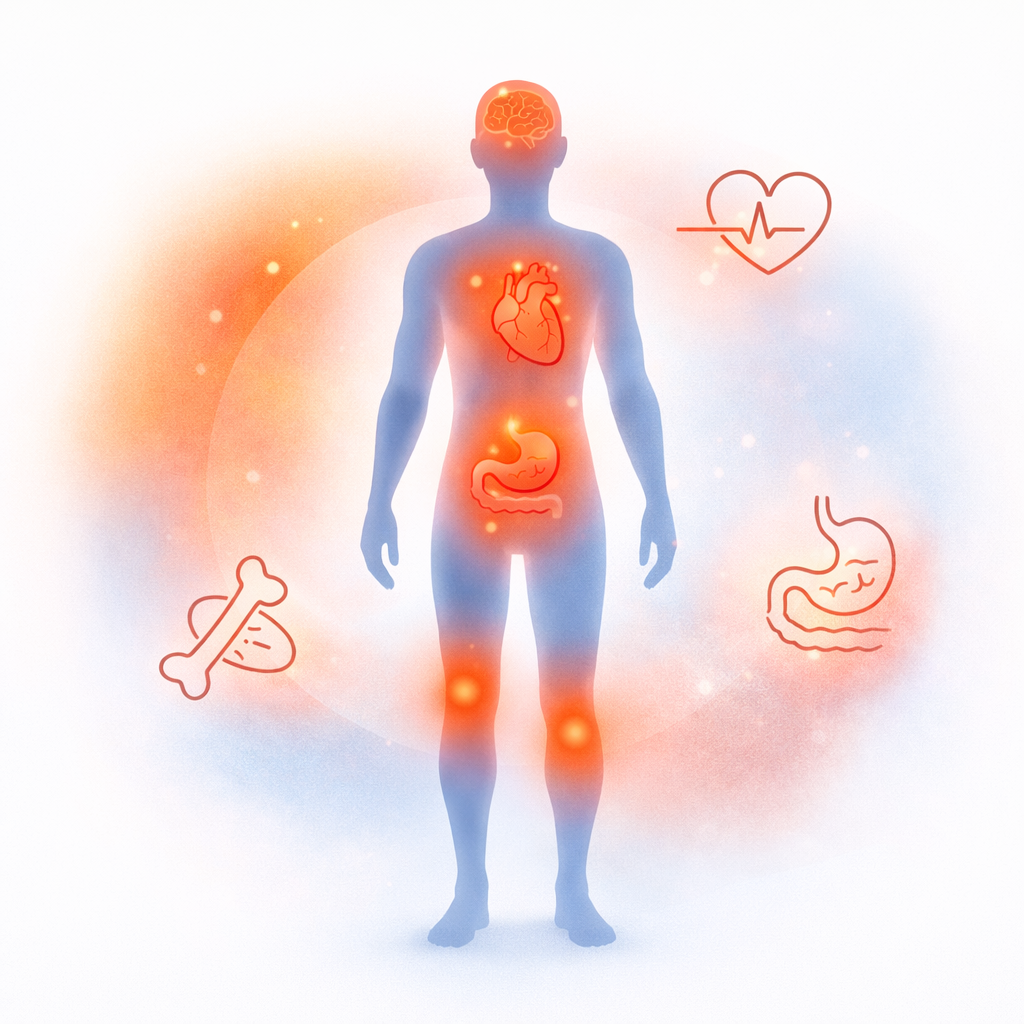
Inflammation as a trigger across body systems
Scientific literature consistently links chronic inflammation to multiple health domains:
Metabolic health
Inflammation interferes with insulin signaling, contributing to insulin resistance, weight gain, and metabolic dysfunction.
Cardiovascular system
Inflammatory cytokines damage the vascular endothelium, promoting plaque instability and impaired circulation.
Muscles and joints
Chronic inflammatory signaling accelerates cartilage breakdown, connective tissue damage, and stiffness.
Gastrointestinal system
Inflammation disrupts gut barrier integrity, alters microbiota, and perpetuates digestive discomfort.
Neurological health
Inflammation affects the blood–brain barrier, neurotransmitter balance, and cognitive function, contributing to brain fog, mood changes, and long-term neurodegeneration.
Across these systems, the pattern is the same:
Inflammation comes first — symptoms follow later.
Why symptom-focused approaches fall short
Many conventional approaches target symptoms:
- Pain relief
- Acid suppression
- Blood sugar lowering
- Cholesterol control
While helpful, these strategies do not address the inflammatory state itself.
As a result, the body remains trapped in a cycle of damage and compensation.
Key takeaway
Lasting health improvement begins when the inflammatory burden is reduced at its source.
Inflammation control is not about suppression — it is about restoring balance.
Summary
Chronic inflammation isn’t just about pain — it quietly drives metabolic, heart, gut, joint, and brain issues.
Understanding inflammation is the first step toward better long-term health.
Continue reading about inflamation in next blog article: Why Inflammation Persists: The Role of Protein Debris, Fibrin & Inflammatory Residue
